










Slush 101: What It Is and Why It’s Still a Favorite
Colorful, refreshing, and instantly nostalgic, slush drinks have a unique ability to bridge generations and seasons. They’re simple in concept—ice, flavor, and movement—but endlessly adaptable in execution. From childhood favorites at amusement parks to modern frozen cocktails in high-end bars, slush continues to hold its place as one of the most versatile and profitable beverages in foodservice.
For operators, understanding what slush really is—how it’s made, what ingredients matter, and how it differs from other frozen drinks—is key to mastering both consistency and creativity on the menu.
What Is Slush? The Basics
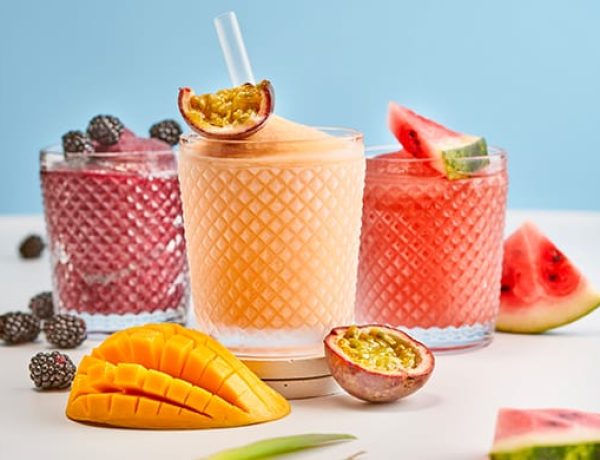
A slush drink, often called a slushy, is a semi-frozen beverage made by chilling a flavored liquid while continuously stirring it. The process creates a fine, icy texture that’s thicker than a drink but looser than a sorbet.
The defining feature of slush is its crystal structure: small, uniform ice particles suspended evenly throughout the liquid. This gives it that signature smooth, spoonable consistency. In commercial settings, this texture is achieved with a slush machine, which freezes and mixes simultaneously to prevent solidification.
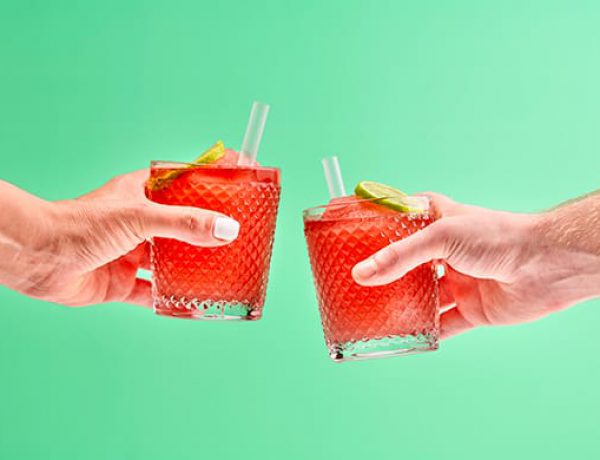
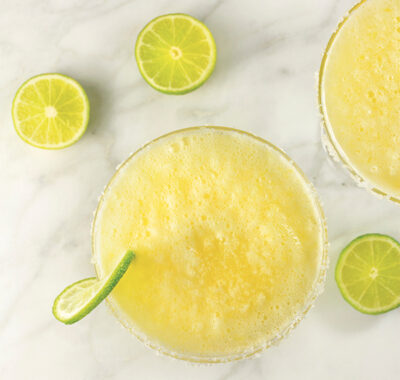
Slush drinks can be non-alcoholic (fruit-flavored or soda-based) or alcoholic, forming the base of popular frozen cocktails such as margaritas and daiquiris. Their adaptability makes them ideal for multiple service formats—quick-service counters, bars, theme parks, and even cafés experimenting with frozen coffee recipes.
A Brief History of Slush Drinks
The story of slush begins long before modern refrigeration. Early forms of iced beverages appeared in ancient Persia and China, where snow was flavored with fruit syrups or juices—a luxury reserved for royalty. In the early 20th century, flavored ice treats gained popularity in Europe and the U.S., leading to the birth of granita in Italy and snow cones in America.
The modern slush machine as we know it was invented in the late 1950s by Omar Knedlik, a Kansas entrepreneur who discovered that partially frozen soda created a unique, slushy texture. His innovation evolved into a specialized freezing and stirring system, giving rise to iconic brands and a global beverage phenomenon.
Today, slush is not only a nostalgic drink but also a strategic menu item—one that blends visual appeal, flavor flexibility, and high profit margins.
Typical Ingredients and Preparation
At its core, a slush is made with three essential elements.
- Liquid base – usually water, juice, or soda. Alcoholic versions use pre-mixed cocktails or wine.
- Flavor syrup – provides sweetness, color, and aroma; the sugar content is key to maintaining texture.
- Ice crystals – formed inside the machine as the liquid freezes under constant agitation.
Optional ingredients like fruit purées, plant-based milk, or natural sweeteners allow operators to align their recipes with current trends—such as healthier options or low-sugar frozen beverages.
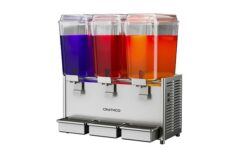
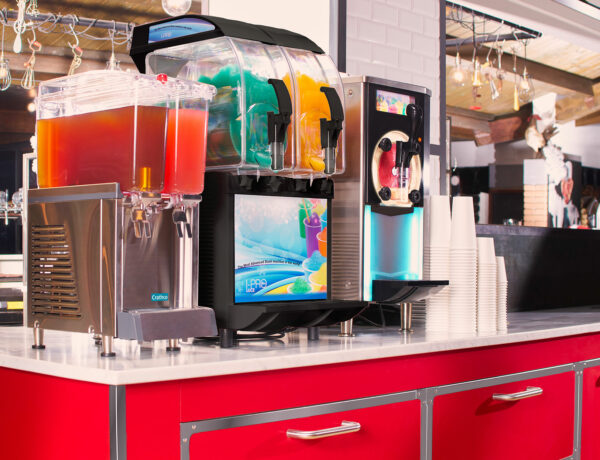
Crathco’s I-PROs and Frosty ranges make this process seamless. Their precision cooling and continuous mixing systems ensure that ice particles remain evenly distributed, delivering consistent texture and flavor. For high-volume venues, the Barrel Freezer range enables rapid production and uninterrupted service—ideal for large-scale operations or venues offering frozen cocktails.
Slush vs. Granita vs. Frozen Drinks
While often grouped together, slush, granita, and frozen beverages have distinct characteristics.
- Slush: finely textured and drinkable through a straw; ideal for flavored sodas, energy drinks, and frozen coffees.
- Granita: coarser and spoonable; traditionally made by hand scraping ice during freezing, resulting in a crystalline texture.
- Frozen drinks: a broader category that includes smoothies, milkshakes, and frozen cocktails—each differentiated by base ingredients and desired consistency.
In commercial terms, slush sits at the crossroads of refreshment and indulgence. It’s easy to prepare, adaptable to countless recipes, and proven to perform well across customer demographics.
Why Slush Still Matters
Despite decades of evolving beverage trends, slush has never lost its charm—or its profitability. It continues to adapt, finding new life as a frozen coffee, mocktail, or alcohol-free dessert beverage.
For operators, the key is to pair creativity with reliability. With Crathco’s professional dispensers for frozen beverages, every slush—classic or contemporary—comes out with the perfect balance of texture, temperature, and flavor. Whether you’re serving nostalgic favorites or innovative blends, slush remains a frozen icon built to delight, season after season.
Want to know more about
our products?
For any support or information, do not hesitate to contact us!