









The Ultimate Guide to Commercial Slush Machines
Few beverages capture attention and drive impulse sales like a perfectly chilled slush beverage. Whether offered in a convenience store, quick-service restaurant, or entertainment venue, slush drinks are not only popular with customers—they’re also highly profitable for operators. To make the most of this opportunity, it’s important to understand what a commercial slush machine is, how it works, and what factors to consider when selecting the right model for your business.
What Is a Commercial Slush Machine?
A commercial slush machine—also called a slush maker or frozen drink dispenser—is a specialized piece of equipment designed to freeze and dispense flavored beverages with a semi-frozen consistency. Unlike consumer models, which are smaller and less durable, professional slush machines are engineered for high-volume environments where consistency, reliability, and speed are essential.
Operators use them to serve a wide range of beverages, from classic fruit-flavored slush to more innovative creations like frozen cocktails, energy drinks, or dairy-based specialties. Thanks to strong consumer demand, they have become a staple in convenience retail, quick-service restaurants, amusement parks, and event spaces.
How It Works and What It Serves
At its core, a slush machine features precise refrigeration technology. Liquid beverage mix is poured into a transparent hopper, where it is cooled to the perfect Brix range for the type of beverage. Because of this system, a single slush machine for commercial use can serve:
- fruit-flavored slushes, ideal for family-friendly environments;
- frozen coffees or teas , which appeal to younger consumers seeking variety;
- frozen cocktails, such as margaritas or daiquiris, popular in bars and resorts;
- seasonal or premium options, like plant-based blends or low-sugar alternatives, which align with evolving consumer preferences.
This versatility makes the equipment a revenue driver, allowing operators to experiment with flavors and formats while keeping preparation fast and simple.
Choosing the Right Size and Capacity
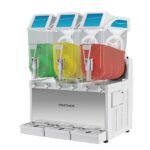
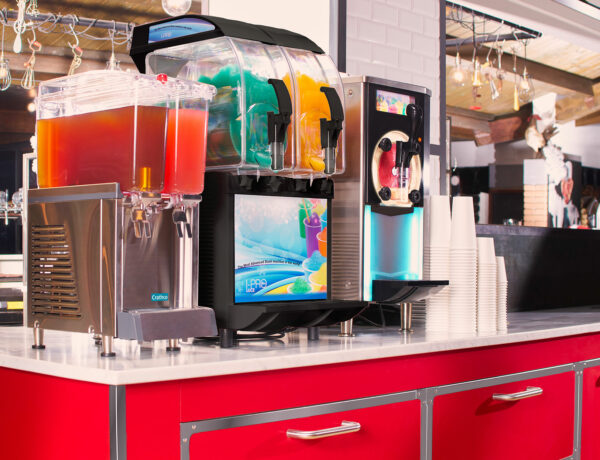
When you set out to buy a commercial slush machine, one of the first decisions is capacity. Machines are available in different configurations, typically with one, two, or three hoppers. Each hopper can hold a separate flavor, enabling variety without additional equipment.
The right choice depends on many factors.
- Foot traffic and sales volume: a single-hopper unit may be sufficient for smaller cafés or kiosks, while multi-hopper systems are better suited for high-demand environments.
- Menu strategy: if your business relies heavily on frozen beverages, investing in larger-capacity models ensures you never run out during peak hours.
- Available space: countertop footprint matters in crowded kitchens or self-service areas.
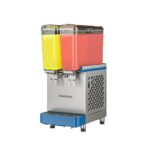
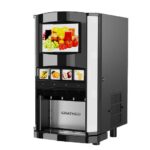
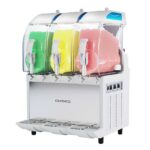
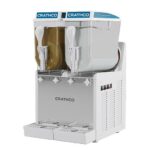
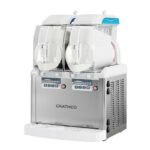
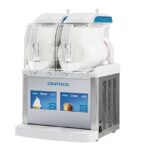
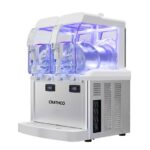
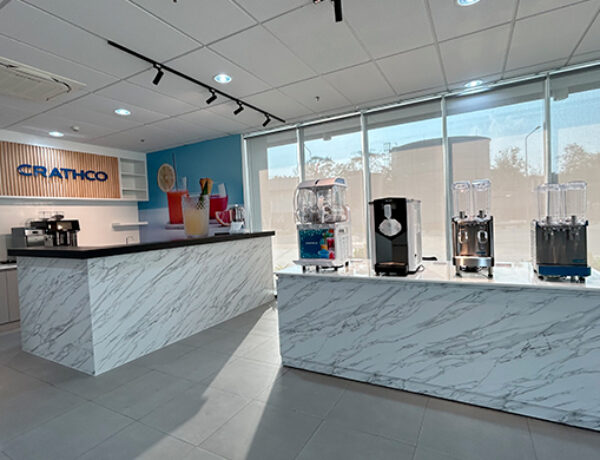
Crathco offers a full range of options to suit different operational needs. The I-PRO line, with its patented insulating I-Tank™ and easy-to-use operation, is designed for busy environments where consistency, quality and energy efficiency are critical. The Crathco Frosty Dispenser is also a versatile offering and is a more value-priced solution.
For operators who need versatility in flavor offerings, both units provide multi-bowl configurations that allow businesses to serve different slush flavors or frozen treats at the same time. Designed for ease of use and consistent results, these dispensers combine reliability with customer appeal, thanks to their capacity and eye-catching presentation.
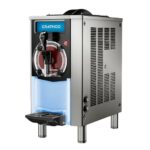
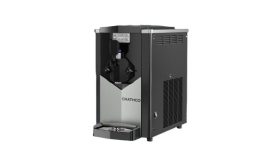
When maximum output is the priority, the Crathco Barrel Freezer range is the go-to solution. Built for continuous, high-volume production, these machines are ideal for venues serving frozen cocktails, shakes, or smoothies in large quantities. With powerful cooling systems and robust construction, they ensure operators can handle peak demand without compromising quality.
Cleaning and Maintenance Tips
Like any foodservice equipment, proper cleaning and maintenance are essential to ensure both hygiene and longevity. A poorly maintained machine can quickly compromise product quality and increase operating costs. Operators should focus on:
- Regularly scheduled cleaning routines: empty, rinse, and sanitize bowls to maintain product quality.
- Component checks: inspect seals, gaskets, and agitators regularly to avoid leaks or mechanical issues.
- Ease of disassembly: choose models designed for simple breakdown and reassembly, which reduce labor time during cleaning.
- Scheduled servicing: follow the manufacturer’s maintenance guidelines, including lubrication and part replacement, to extend the unit’s lifespan.
By integrating these practices into operations, operators not only protect their investment but also ensure every slush served meets the same high standard of quality.
A commercial slush machine is more than a piece of equipment—it’s a strategic asset that helps businesses meet consumer demand, diversify their beverage menu, and boost profit margins. The key to success is choosing the right model, sizing it appropriately for your operation, and keeping it in top condition with consistent maintenance.
With the right machine in place, operators can transform frozen beverages into a reliable and profitable cornerstone of their menu.


