


Beverage Profit Margins: What Operators Need to Know
In foodservice, few categories deliver such a powerful combination of customer demand and high profitability as beverages. Whether it’s an ice-cold bubbler drink, a frozen indulgence, or a specialty iced coffee on the go, drinks play a central role in consumer routines. For operators, this means beverages are not just menu add-ons—they are among the most reliable revenue drivers. Understanding beverage profit margins, and how dispensers contribute to efficiency and consistency, is key to unlocking long-term growth.
What Is the Average Profit Margin in the Beverage Industry?
Profitability in the beverage segment is consistently strong compared to other foodservice categories. Industry data shows that in 2024:
- cold dispensed beverages delivered an average margin of 52.1%;
- frozen dispensed beverages topped the list with 65.3%.
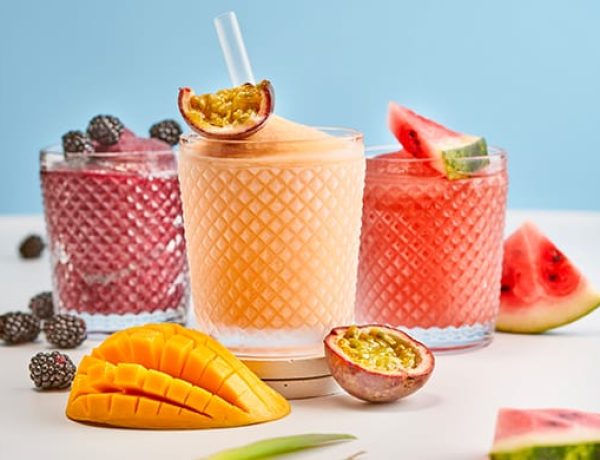
These numbers highlight just how profitable beverages can be. One reason frozen drinks lead the way is their premium positioning: consumers often see them as a treat or an experience, which allows operators to charge higher prices without proportionally higher ingredient costs. By contrast, cold beverages are an everyday staple, offering slightly lower—but still substantial—margins.
What makes these figures even more compelling is the growth trend. Cold beverage sales rose 8% in 2024, frozen beverage sales increased by 10%, and alcohol-free frozen beverages saw a remarkable 12% year-over-year growth. In other words, not only are margins strong, but demand also continues to climb.
Is the Beverage Business Profitable for Operators?
The answer is a clear yes: beverages are one of the most profitable segments in foodservice. Unlike some menu items that face fluctuating ingredient costs or complex preparation processes, drinks combine low-cost ingredients with the ability to command premium pricing.
Profitability is reinforced by consumer behavior. Beverages are deeply woven into daily routines: from the morning smoothie to the afternoon cold refresher, drinks guarantee repeat business and consistent traffic. They also respond well to targeted promotions. Seasonal and limited-time flavors, for example, can increase sales by up to 30%, while happy hour specials have been shown to boost beverage sales by 40%.
The trend toward premiumization further benefits operators. Today’s customers are willing to pay more for unique flavors, plant-based alternatives, and high-quality ingredients. As beverages become more about the experience—a moment of indulgence or adventure in a cup—operators are in a position to grow both volume and margin.
How Beverage Dispensers Help Increase Margins
High consumer demand alone does not guarantee profitability. To truly capitalize on the beverage opportunity, operators need the right equipment. This is where quality dispensers make the difference.
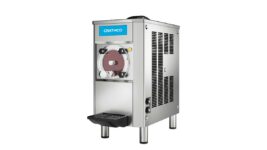
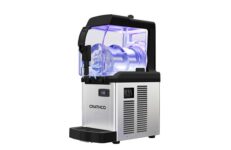
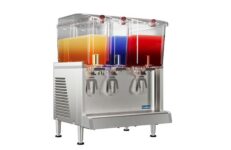
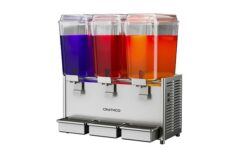
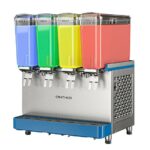
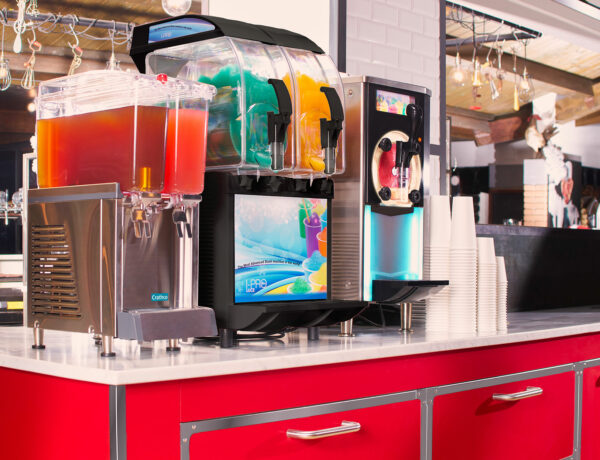
Commercial beverage dispensers are designed to balance speed, consistency, and cost control. At the same time, dispensers deliver the same quality every time, which is critical for customer satisfaction and repeat purchases.
Labor is another factor. With dispensers that are easy-to-use, easy to fill and easy to clean, staff training is simplified, and operators reduce reliance on labor to maintain beverage bars. In high-traffic environments—such as convenience stores or quick-service restaurants—this can significantly improve operational efficiency.
Technology also plays a role. Modern dispensers incorporate user-friendly interfaces, precise refrigerant systems, and agitation features that ensure appealing customer offerings. Operators are increasingly looking for innovations in dispenser systems to improve both back-of-house workflow and the customer-facing experience. By investing in reliable, high-performance dispensers, businesses can secure margins while reducing operational headaches.
Best Practices to Maximize Beverage Revenue
Maximizing beverage profitability requires more than just putting a machine on the counter. Operators who stand out adopt a holistic strategy that combines smart menu planning with operational excellence.
- Diversifying the offering: introducing seasonal flavors or rotating limited-time options keeps the menu fresh and attracts repeat customers. Surveys show that 72% of consumers are more likely to purchase beverages with seasonal flavors, making seasonality a proven revenue lever.
- Positioning beverages as experiences: one-third of global consumers now view beverages as their go-to indulgence between meals. By framing drinks as a treat—whether a plant-based frozen blend or a premium cold brew tea or lemonade—operators can justify higher pricing and build brand loyalty.
- Optimizing timing and channels: happy hour promotions or meal bundles create new purchase occasions and improve per-check revenue. At the same time, digital ordering is critical: in some markets, up to 50% of beverage sales come from mobile channels, highlighting the importance of convenience-driven strategies.
- Investing in sustainability: with 57% of consumers influenced by eco-friendly packaging, green practices are both a reputational and commercial advantage. When combined with energy-efficient dispensers that minimize waste, sustainability initiatives strengthen margins while aligning with customer expectations.
The beverage business is not just profitable—it is essential for foodservice operators looking to drive growth. With profit margins consistently above 50%, rising consumer demand, and strong opportunities for innovation, beverages are uniquely positioned to deliver both immediate revenue and long-term brand value.
For operators, the key to unlocking this potential lies in pairing customer-focused strategies with the right dispensing technology. By ensuring consistency, efficiency, and sustainability, commercial dispensers transform beverages from a menu item into a strategic profit engine.
Want to know more about
our products?
For any support or information, do not hesitate to contact us!