






The Evolution of Convenience Store Beverages
Every c-store already has a cold vault. Most don’t have a beverage strategy. There’s a real difference between stocking drinks and building a category that pulls its weight on margin, and that difference starts with understanding what’s actually changing in this space.
From Drinks List to Beverage Program: Why the Shift Matters
Convenience store beverages have historically been treated as a stocking exercise: keep the cooler full, rotate in whatever’s popular, repeat. That approach worked when the category was simpler.
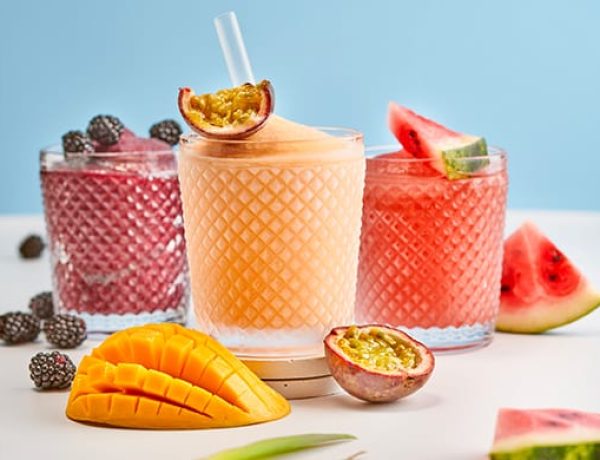
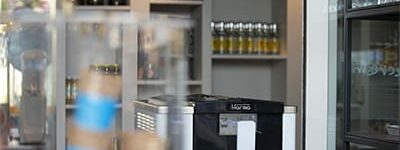
It doesn’t hold up anymore, and cold-dispensed and frozen beverages are exactly where the opportunity is moving. Most c-stores already run a cold vault and, increasingly, a frozen or slush program, which means the infrastructure for a real beverage strategy is already in place. The growth now comes from what operators do with it: customization, functional additions, and formats a packaged cooler simply can’t offer at the point of sale.
What separates a program that grows isn’t whether a store has dispensed beverages. It’s whether it’s using them as a category, not just a machine in the corner.
What’s Actually Shifting: Customization, Health, and Functional Additives
Packaged energy drinks show where consumer appetite is heading: they overtook carbonated soft drinks as the top cold vault segment in 2020, largely on the back of reformulation toward wellness-oriented ingredients rather than a straight caffeine hit.
That same appetite, for something functional, customizable, and a little healthier, applies just as much to what comes out of a dispenser as what comes off a shelf. For a dispensed beverage program specifically, it shows up as:
- Functional add-ins at the point of dispense: electrolytes, caffeine, or vitamin boosts mixed in on demand rather than pre-bottled.
- Build-your-own combinations across cold, frozen, and slush lines, which a packaged cooler structurally can’t offer.
- Rotating better-for-you formats without committing shelf space to a SKU that may not sell.
This is the opening packaged beverages can’t fully capture: a dispensed program can flex flavor and function in real time, one machine instead of a dozen new SKUs.
Seasonal and Category Rotation as a Margin Tool
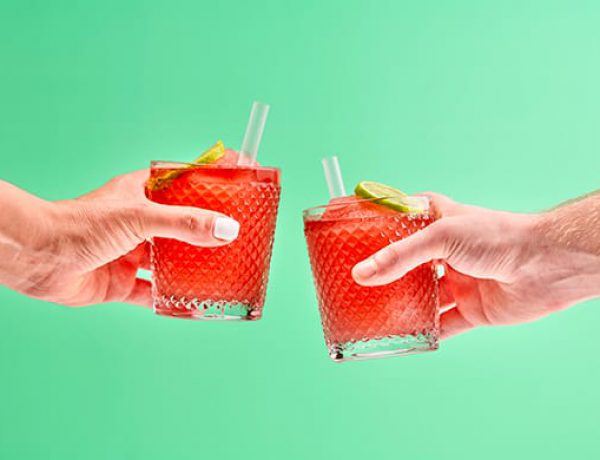
A static beverage lineup leaves money on the table twelve months a year. Rotating flavors and formats by season keeps the category feeling current without requiring new equipment or new SKUs from scratch.
Crathco’s Trends and Recipes hubs are built around exactly this kind of rotation, pairing dispensed beverage formats with the flavor combinations customers are already asking for by season.
Equipment as the Constraint Most Programs Ignore
None of this works if the equipment behind the counter can’t support it. A rotation plan is only as good as the machine’s ability to switch flavors quickly, hold multiple lines at once, and keep running through a shift without constant attention. Most beverage programs stall here, not because the strategy is wrong, but because the equipment behind the counter was never built to carry it.
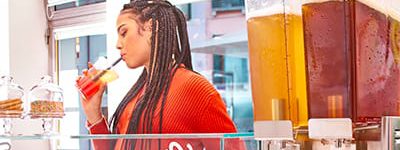
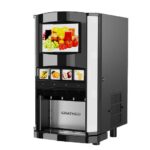
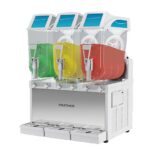
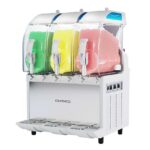
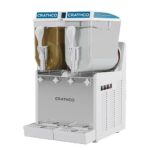
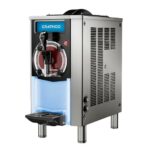
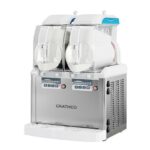
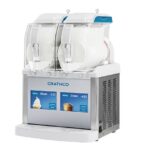
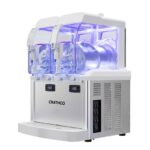
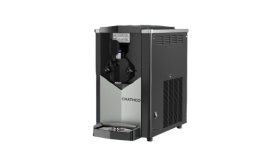
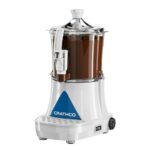
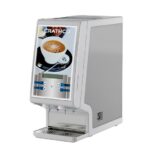
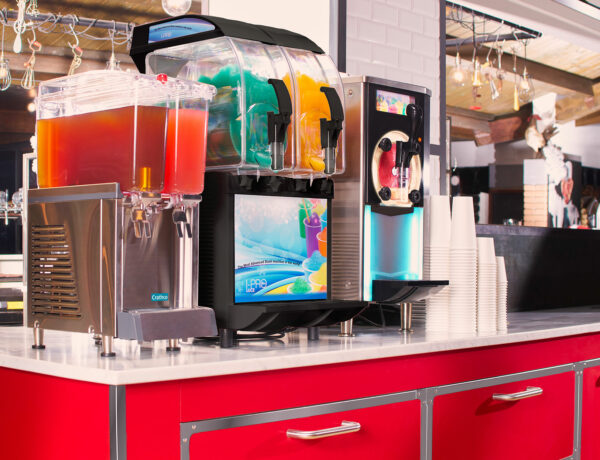
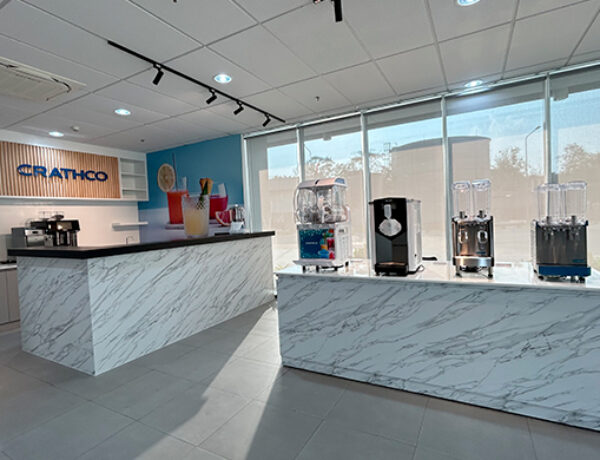
This is where cold and frozen dispensing need to be evaluated together rather than separately. Crathco’s Simplicity, Classic Bubblers and Classic Pro BUBBLERS® lines cover multi-flavor cold dispensing, while the I-PRO and FROSTY frozen dispensers handle frozen and slush formats. Each is built around the same operating logic:
- Multiple flavors from one footprint. Rotating a seasonal flavor in doesn’t mean adding a second machine or giving up counter space for something else.
- Fast changeovers. Switching a bowl or line takes minutes, not a service call, which is what actually makes rotation practical on a busy shift.
- Dripless, low-maintenance dispensing. Less mess behind the counter translates directly into less staff time spent on cleanup instead of customers.
For frozen and slush specifically, the I-PRO Frozen Bowl Dispenser the same logic on the frozen side: multiple flavor lines, consistent texture from open to close, and a footprint that fits next to a cold dispenser rather than competing with it for space. That combination, cold and frozen from the same supplier, running on the same operating principles, is what lets a c-store actually execute a rotation plan instead of just writing one down.
Building a Beverage Program Roadmap
Stocking a cooler is not the same as running a program. A real beverage strategy defines the mix, plans the rotation, and matches equipment to both, the same discipline operators already apply to foodservice.
The starting point isn’t a new SKU. It’s an honest look at whether the equipment already behind the counter can support the mix a store wants to run. A machine that can only hold one or two flavor lines will cap the rotation strategy before it starts, no matter how well the merchandising plan is written.
Start by seeing how your current setup compares with Crathco’s c-store beverage profit calculator, built to show where a broader cold and frozen lineup would actually move the margin needle for your specific store.
Sources:
National Association of Convenience Stores (NACS), What’s Trending in Energy Drinks?, May 2026


